How to Organize Bathroom Storage for Maximum Efficiency and Space Utilization
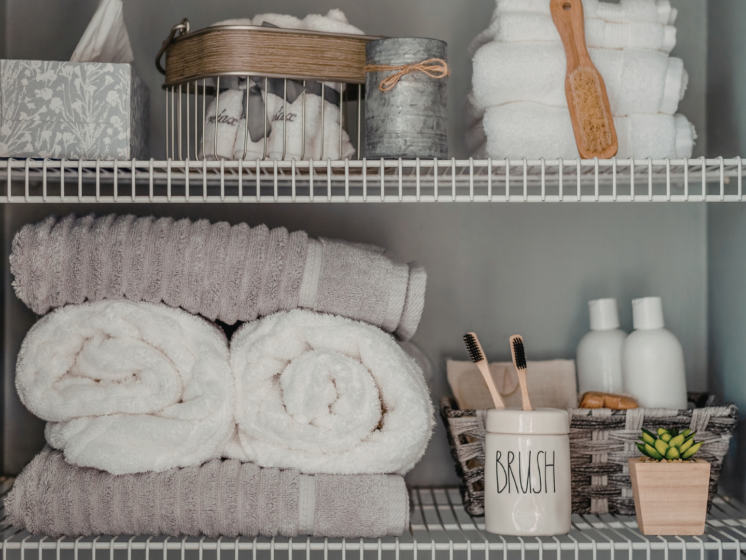
Bathroom storage can quickly become cluttered without a clear plan. Organizing your bathroom means maximizing every inch of space and making essential items easily accessible.
The simplest way to organize bathroom storage is by categorizing items, using containers, and utilizing vertical space. This approach helps maintain order and reduces daily stress caused by searching for products.
By using practical solutions like shelves, baskets, and drawer dividers, you can create a functional bathroom that feels clean and spacious. Small changes can lead to a big difference in efficiency and appearance.
Assessing Your Bathroom Storage Needs
Before selecting storage solutions, it’s important to understand how much space you have, what items need organizing, and which belongings are necessary. This approach ensures efficient use of space and keeps essential items accessible.
Evaluating Available Space
Start by measuring your bathroom’s dimensions, including floor space, wall height, and cabinet interiors. Note any awkward corners or narrow areas that could be used for vertical storage or slim organizers.
Consider both visible and hidden spaces, such as under the sink, behind doors, or over the toilet. Visualize how daily routines move through the space to identify convenient storage zones.
Take photos or sketch a floor plan to map out potential storage spots. This helps match storage units to your available space and avoid overcrowding.
Identifying Storage Priorities
List all bathroom items you use regularly: toiletries, cleaning supplies, towels, medications, and grooming tools. Group them by frequency of use and size.
Prioritize storage for daily essentials in easy-to-reach locations. Reserve less accessible spots for seldom-used items or bulk supplies.
Use categories like:
- Daily Use: Toothbrush, face wash, razor
- Weekly Use: Hairdryer, extra shampoo
- Rare Use: First aid kit, spare towels
This classification supports tailored storage solutions, preventing clutter buildup.
Decluttering and Purging Unused Items
Review all bathroom contents and discard expired or unused products. Expired medications, empty containers, and dried-out cosmetics should be safely disposed of.
Keep only items that are regularly used or serve a clear purpose. Donate unopened products that no longer fit your needs.
This step frees valuable space and simplifies organization. It also helps maintain cleanliness and reduces the risk of storing hazardous materials unnecessarily.
Maximizing Cabinet and Vanity Storage
Effective storage in cabinets and vanities depends on creating distinct spaces and easy access to items. Adjusting the interior space and employing smart organizing tools helps keep everything visible and orderly.
Utilizing Organizers and Dividers
Using organizers and dividers can transform cluttered cabinets into functional storage areas. Drawer trays separate small items like makeup, brushes, and razors, preventing them from mixing or falling over.
Stackable bins and tiered shelves maximize vertical space for larger toiletries or cleaning supplies. Adjustable dividers allow customization based on what you store. Clear containers are useful to identify contents quickly and maintain tidiness.
Labels can be added to containers and compartments for faster retrieval. Magnetic or adhesive hooks inside cabinet doors can hold hair tools or towels, adding useful hanging space without sacrificing shelf room.
Adjusting Shelves for Flexibility
Adjustable shelves let you customize storage height according to your needs. Removing or repositioning shelves creates space for taller bottles or bulkier items.
Measure your commonly stored products before rearranging to ensure optimal fit. Use shelf risers to expand vertical storage without permanent modifications.
Simple shelf liners prevent items from slipping and protect surfaces from spills. Frequent reassessment of shelf arrangement can keep storage aligned with changing supplies.
Storing Everyday Essentials Accessibly
Place daily-use items at eye level or in the front for immediate access. Store less frequently used products either in deeper cabinet areas or higher shelves.
Use pull-out baskets or sliding trays to quickly reach items stored at the back. Keep groupings logical—morning routine products together, cleaning supplies separate, or makeup items clustered.
Transparent bins or open containers make it easy to spot essentials without digging through clutter. Reserve a designated area for frequently replaced items like cotton swabs or face towels for quick replenishment.
Optimizing Wall and Vertical Space
Maximizing bathroom storage often requires using vertical areas that are usually overlooked. This includes incorporating shelves, racks, and hanging units to keep essentials accessible without cluttering counters or floors.
Installing Floating Shelves
Floating shelves are mounted directly on the wall without visible brackets, offering a sleek and modern look. They can be installed above sinks, toilets, or near towel racks to store items like toiletries, decorative jars, or small baskets.
Choose durable materials like treated wood or metal for humidity resistance. Ensure secure anchoring into studs or use wall anchors for heavier items. Spacing shelves 12-15 inches apart allows room for taller bottles or stacked towels.
Floating shelves free up counter space and make use of empty wall areas efficiently. Regularly review what is stored on them to avoid overcrowding and maintain a neat appearance.
Hanging Storage Solutions
Hanging storage uses vertical points such as hooks, rods, or mounted baskets. It’s ideal for holding frequently used items like towels, loofahs, or hair dryers without taking up floor or shelf space.
Install adhesive hooks or screw-in hooks on cabinet doors or unused wall spots. Use rod-based organizers with hooks for items that need to hang flat or dry quickly.
This approach keeps items within reach and visible, reducing clutter. Hanging baskets can hold smaller essentials like makeup, brushes, or cleaning supplies, keeping them organized and off surfaces.
Over-the-Toilet Racks
Over-the-toilet racks utilize the space above the toilet, transforming an often wasted area into functional storage. These racks come in freestanding or wall-mounted styles, usually with multiple shelves or cabinets.
They are perfect for holding extra toilet paper, towels, and decorative items. Select racks with adjustable shelves or closed cabinets to customize storage according to your needs.
Make sure the rack fits the bathroom layout without obstructing access. Choose materials resistant to moisture to maintain durability. This type of storage makes use of vertical height and clears counters simultaneously.
Effective Drawer Organization
Maximizing drawer space requires practical tools and clear categorization to keep items accessible and neat. Properly arranged inserts and deliberate sorting prevent clutter and streamline daily routines.
Drawer Inserts and Trays
Using drawer inserts or trays helps separate different bathroom essentials. Choose materials like bamboo or plastic for durability and ease of cleaning. Inserts come in various sizes, so measure your drawer first to ensure a snug fit.
Divide your drawer into sections for items like makeup, hair accessories, and dental care. Adjustable dividers can be repositioned as needs change, making them versatile. Inserts with multiple compartments prevent small items from shifting when drawers open or close.
Organize by frequency of use, placing daily items within easy reach. Bulkier items should go in larger compartments. Inserts also protect delicate products from damage by providing stable individual spaces.
Sorting and Grouping Small Items
Small bathroom items like cotton swabs, bobby pins, and nail tools belong in dedicated containers or small boxes inside drawers. Grouping similar items together reduces time spent searching.
Labeling sections with tags or adhesive labels adds clarity. For example:
- Cotton Balls
- Hair Ties
- First Aid Supplies
Group expired or rarely used items in a separate container to avoid mixing with everyday essentials. Regularly declutter to discard old or empty products. This keeps the drawer functional and prevents overfilling.
Use clear containers to visually identify contents quickly. Transparent organizers also encourage keeping the drawer tidy by maintaining item separation.
Smart Under-Sink Storage Strategies
Maximizing under-sink space requires keeping items visible and accessible while preventing clutter. Using organizational tools tailored to this often awkward area can dramatically improve efficiency.
Stackable Bins and Caddies
Stackable bins and caddies help utilize vertical space effectively. By layering storage, you increase capacity without expanding the footprint.
Choose clear or labeled bins to quickly identify contents. Use smaller caddies for items like cleaning sprays, sponges, and brushes. Larger bins can hold bulkier items such as extra toilet paper or towels.
Opt for durable materials like plastic or metal to withstand moisture. Place frequently used items on the top layers for easy reach. This method keeps the area tidy and prevents items from getting lost or forgotten.
Using Tension Rods for Additional Space
Install one or more tension rods horizontally inside the cabinet to hang spray bottles or cleaning cloths. This creates storage off the bottom shelf, freeing surface area.
Adjust the height of rods to fit different bottle sizes. Use S-hooks to hang additional items like gloves or small baskets.
Tension rods are easy to install without tools and can be repositioned as needed. They make use of vertical space often left empty under sinks, helping separate cleaning supplies from other essentials.
Utilizing Baskets, Bins, and Containers
Using baskets, bins, and containers effectively helps keep bathroom supplies neat and accessible. Selecting the right size and material creates a functional system. Clear labeling improves organization and speeds up finding items.
Choosing Appropriate Sizes and Materials
Choose containers that fit the space and contents. Small baskets work well for cotton swabs and makeup, while larger bins suit towels or bulk supplies. Measure shelves or cabinets before purchasing to avoid overcrowding or wasted space.
Materials should resist the moisture common in bathrooms. Plastic containers with tight lids prevent water damage and mildew. Wicker baskets offer a stylish look but need ventilation to avoid mold. Clear containers are practical for quick visual checks of contents.
Stackable bins maximize vertical space. Use shallow trays for small items, and deep baskets for bulky products. Prioritize durability and ease of cleaning to maintain hygiene.
Labeling for Easy Identification
Labeling bins simplifies daily routines by quickly identifying contents. Use waterproof labels or tags to withstand humidity. Handwritten or printed labels both work, but choose clear fonts for readability.
Organize labels by category: skincare, hair care, first aid, etc. Consistent labeling reduces clutter by returning items to their proper place. Consider color-coding labels for further clarity—blue for toiletries, green for cleaning supplies.
Place labels on the front or top where they are easily seen. Keep labels updated if items or storage locations change. This small step saves time and prevents confusion.
Organizing Linen and Towel Storage
Effective linen and towel storage depends on techniques that maximize space and maintain accessibility. Using proper folding methods and designated storage fixtures keeps items neat, easy to find, and well-ventilated.
Folding and Rolling Techniques
Folding towels into uniform rectangles creates stacks that use vertical space efficiently. Start by folding towels in thirds lengthwise, then fold them in half or thirds to create consistent sizes. This method prevents slumping and maintains an orderly look on shelves.
Rolling towels is a space-saving alternative that also reduces wrinkles. Roll tightly from one short edge to the other and arrange rolls upright in baskets or bins. This allows you to see and grab towels quickly.
For linen-like sheets, fold flat pieces neatly and stack by set or size. Consider labeling shelves or containers to differentiate between fitted and flat sheets, which speeds up retrieval and maintains order.
Dedicated Towel Racks and Hooks
Installing towel racks and hooks improves airflow, helping towels dry faster and reducing mildew risk. Wall-mounted racks with multiple bars use vertical space and keep towels accessible near the shower or sink.
Hooks work well for quick-drying hand towels or frequently used bathrobes. Arrange hooks at varying heights to accommodate different items, maximizing wall area without clutter.
Freestanding racks offer portability and flexibility, fitting into corners or unused spaces. Choose rust-resistant materials to maintain durability in humid bathroom environments.
Maintaining an Organized Bathroom
Consistent upkeep is essential to keep bathroom storage functional and clutter-free. Proper habits reduce mess buildup and prolong the usability of supplies.
Establishing a Regular Cleaning Routine
Set a schedule to clean shelves, drawers, and containers at least once a week. Wipe surfaces with disinfectant to prevent mold, mildew, and dust accumulation. Empty trash bins frequently to avoid odors and clutter.
Check for spills or leaks that may cause damage or dirt in storage areas. Remove products that have fallen behind shelves or under sinks. Maintain order by putting items back in their designated places after use.
Use clear bins or labeled containers to speed up tidying and reduce time spent searching for products during cleaning. Regularly declutter by discarding items that are expired, damaged, or no longer used.
Rotating and Refreshing Supplies
Periodically review bathroom products to ensure freshness and availability. Store newer items behind older ones to use supplies in the correct order and avoid expired products.
Keep a checklist of essentials to track what needs replenishment before running out. Dispose of expired cosmetics, medicines, and toiletries promptly to reduce clutter and potential health risks.
Group similar items together, such as skincare or hair products, to streamline inventory checks. Replace worn or broken storage tools to maintain organizational efficiency and prevent spills or messes.
Personalizing Storage Solutions
Tailoring bathroom storage to your habits and belongings makes organization more effective. Start by assessing the items you use daily versus those used occasionally. Store daily essentials within easy reach, while placing less-frequent items higher or deeper.
Consider custom containers like labeled bins, drawer dividers, or baskets. These help separate types of products, such as skincare, hair tools, or cleaning supplies.
| Item Type | Suggested Storage | Notes |
| Makeup | Small drawer organizers | Keeps items visible and tidy |
| Towels | Open shelves or baskets | Roll or fold to maximize space |
| Toiletries | Caddies or trays | Ideal for countertop or shower |
Using mirrors and hooks can personalize vertical space. Hooks are perfect for robes, towels, or even small bags holding grooming tools.
Color-coding containers and labels improves efficiency. For example, blue for skincare and white for haircare. This method reduces search time and clutter.
Personal preferences dictate what storage feels practical or comfortable. Adapt solutions to fit the shape and size of your bathroom as closely as possible. Personalizing encourages maintenance and keeps your space orderly.
