How to Improve Home Functionality with Practical Design Tips and Solutions
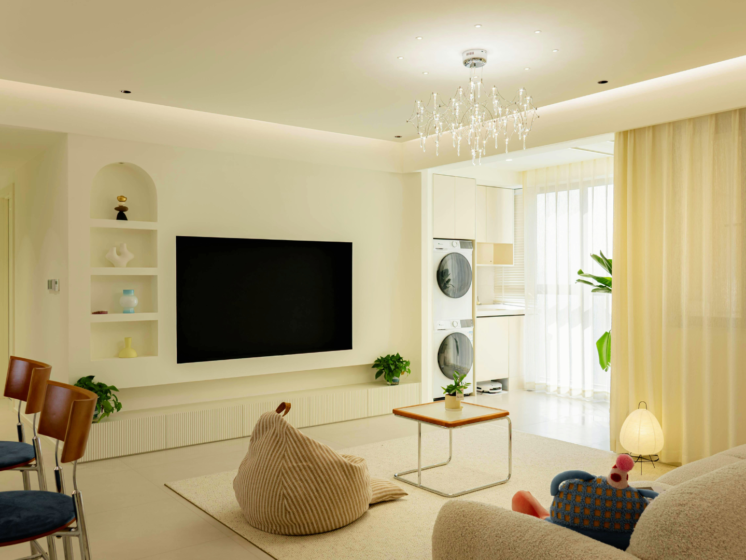
Improving home functionality means making everyday tasks easier and spaces more efficient. This can be achieved by optimizing layout, using smart storage solutions, and incorporating technology that suits your lifestyle. A well-planned home improves comfort, saves time, and reduces stress.
Small changes like rearranging furniture for better flow or adding multi-purpose furniture can have a big impact. Upgrading to smart devices can automate routine chores and enhance convenience without a major renovation.
Focusing on practical adjustments tailored to your specific needs transforms your home into a place that truly supports your daily life.
Optimizing Space Layout
Maximizing home functionality depends on how effectively space is arranged. This includes evaluating existing layouts, considering open concepts, and defining clear zones based on room purpose.
Assessing Current Functionality
Begin by examining how each room is used daily. Identify areas that feel cramped or underutilized. Take notes on traffic flow patterns, furniture placement, and any obstacles that hinder movement.
List common issues such as:
- Blocked pathways
- Excess clutter
- Redundant furniture pieces
This analysis reveals opportunities to rearrange or remove items to improve efficiency. Measuring rooms and sketching layouts can help visualize changes. Be objective about what supports everyday activities and what causes inconvenience.
Open Concept Design
Open concept layouts remove barriers between rooms to enhance flow and light. Combining kitchens, dining, and living areas boosts interaction and makes spaces feel larger without major remodeling.
Consider these key points:
- Use rugs or furniture to define sub-areas
- Maintain clear sightlines for natural light
- Allow easy movement between zones
Open concepts suit social households but may reduce privacy. Include flexible boundaries like sliding doors or screens to adjust openness when needed. Prioritize functional furniture with clean lines to maintain an uncluttered look.
Room Purpose Zoning
Designate specific zones within rooms based on activities to avoid mix-ups that reduce usability. For example, create distinct work, relaxation, and storage areas in a home office or living room.
Use techniques such as:
- Area rugs to set boundaries
- Shelving units as dividers
- Lighting variations to mark zones
Clear zoning helps maintain order and ensures each function has appropriate furnishings and amenities nearby. It also prevents clutter by giving functional homes for items tied to a zone. Adapt zones over time as needs evolve.
Smart Storage Solutions
Efficient storage transforms a home by freeing up floor space and reducing clutter. Utilizing all available areas and incorporating furniture with built-in storage enhances organization without sacrificing style.
Maximizing Vertical Space
Using vertical space involves installing shelves, hooks, or tall cabinets to make the most of wall height. In kitchens, wall-mounted racks for pots and utensils keep counters clear and items accessible.
Closets benefit from double rods or stackable organizers that maximize hanging and shelf capacity. Tall bookcases or storage towers can store items without occupying valuable floor area.
Adding pegboards or magnetic strips to walls increases storage options for tools or kitchen utensils. Vertical storage is especially useful in small rooms where horizontal space is limited.
Multi-Functional Furniture
Furniture that serves more than one purpose helps save space and adds practicality. Examples include ottomans with internal storage, beds with drawers underneath, or sofas that convert into beds.
Tables with shelves or hidden compartments provide additional storage areas without extra bulk. Choosing pieces that combine seating, storage, and surface space can reduce the need for multiple furniture items.
Using multi-functional furniture is ideal for small apartments or rooms that require flexibility. It reduces clutter and keeps essential items within easy reach.
Hidden and Built-In Storage
Built-in storage, such as cabinets around windows or under stairs, utilizes awkward spaces efficiently. Hidden storage uses discreet compartments in furniture or walls, keeping belongings out of sight but accessible.
Examples include benches with lift-up seats, stair drawers, or floor panels with storage beneath. Custom cabinetry that fits unique spaces optimizes capacity and maintains a clean look.
This approach blends storage seamlessly into the home, maintaining openness and minimizing visual clutter. It’s particularly effective in homes with limited square footage.
Improving Home Accessibility
Enhancing accessibility focuses on practical changes that allow easier movement and use of home spaces. Simple modifications increase safety and comfort for all residents, including those with limited mobility.
Universal Design Elements
Universal design integrates features that accommodate various physical abilities without needing later adjustments. Examples include lever-style door handles, which are easier to operate than knobs for people with limited hand strength.
Installing zero-threshold showers prevents tripping hazards, while adjustable-height countertops support users of different statures, including wheelchair users. Non-slip flooring materials reduce fall risks in wet areas.
Lighting controls placed within easy reach, along with rocker switches, improve usability for individuals with dexterity challenges. These elements create a more inclusive environment by anticipating diverse needs from the start.
Widening Doorways and Hallways
Standard doorways often measure 28-32 inches wide, which can be restrictive for wheelchair users. Widening doorways to at least 36 inches improves passage and accommodates mobility devices.
Hallways narrower than 36 inches also limit maneuverability. Expanding hallway width allows smooth movement and reduces the risk of injury. This is especially important in high-traffic areas.
Consider reinforcing door frames during widening to maintain structural integrity. Adjustments might involve minor demolition but greatly enhance home accessibility and usability for residents and visitors alike.
Enhancing Lighting and Ventilation
Proper lighting and ventilation significantly affect comfort and usability in any home. Strategic adjustments can improve energy efficiency, mood, and air quality, creating a healthier living space.
Natural Light Optimization
Maximize natural light by keeping windows clean and unobstructed. Use sheer curtains or blinds that allow sunlight while providing privacy.
Position mirrors opposite windows to reflect and amplify daylight throughout the room. Consider light-colored walls and ceilings, which help disperse light more evenly.
Trim trees or shrubbery outside windows that block sunlight. Skylights or solar tubes can introduce daylight to darker areas, reducing dependence on artificial lighting.
Task and Ambient Lighting
Task lighting focuses on specific activities like reading, cooking, or working. Use adjustable LED lamps or under-cabinet lighting in kitchens and workspaces for precise illumination.
Ambient lighting provides overall brightness and affects mood. Install dimmable ceiling fixtures or wall sconces to control light levels based on time of day and use.
Layer lighting by combining ambient sources with task lights to prevent harsh shadows and reduce eye strain. Energy-efficient bulbs cut costs and offer consistent brightness.
Energy Efficiency Upgrades
Improving your home’s energy efficiency involves enhancing insulation, optimizing heating and cooling control, and using appliances designed to consume less power. These steps lower utility bills and create a more comfortable living environment.
Insulation Improvements
Proper insulation reduces heat transfer, keeping indoor temperatures stable year-round. Focus on areas like attics, walls, and basements where heat loss or gain is most common. Materials such as spray foam, fiberglass batts, and rigid foam boards are popular choices.
Adding insulation to attics can cut heating and cooling costs by up to 20%. Use weatherstripping and seal gaps around doors and windows to prevent drafts. Insulation should meet local building codes, typically rated by R-value, which measures its resistance to heat flow.
Smart Thermostats
Smart thermostats automate temperature control based on your schedule and preferences. They learn your routines and adjust heating or cooling to save energy when rooms are unoccupied. Many models offer remote access via smartphone apps.
Key features include geofencing, which detects when you leave or return home, and energy usage reports to help identify savings. Installation usually takes less than an hour and integrates with existing HVAC systems seamlessly.
Energy-Efficient Appliances
Replacing older appliances with Energy Star-rated models reduces electricity and water consumption. Focus on refrigerators, washing machines, dishwashers, and heating/cooling equipment. These appliances use advanced technology, like inverter compressors and eco-friendly refrigerants.
Look for the Energy Guide label to compare estimated annual energy use and cost. Although energy-efficient appliances may have higher upfront costs, they pay off over time through lower utility bills and longer lifespan.
Incorporating Smart Home Technology
Smart home technology can streamline daily tasks and increase security. Implementing devices that respond to schedules or sensors creates convenience and enhances safety throughout the home.
Automated Lighting Systems
Automated lighting uses sensors, timers, or smartphone apps to control lights without manual switches. Motion sensors can turn lights on when entering a room and off when it’s empty, saving energy and improving convenience.
These systems often integrate with voice assistants like Alexa or Google Assistant. This allows command-based control for individual lights or whole rooms. Options include dimming features and color adjustments to suit different activities.
Smart bulbs and lighting hubs vary in price and compatibility. It is essential to choose products that work well together and fit the home’s electrical setup. Installation can be simple or require professional help, depending on the complexity.
Home Security Enhancements
Smart home security improves surveillance, access control, and alerts. Cameras can provide real-time video feeds on mobile devices and use motion detection to capture unusual activity.
Other devices include smart locks, which allow keyless entry via codes or apps. Temporary access codes can be granted to guests or service personnel, increasing flexibility and control.
Many systems connect to alarm services and can send instant notifications to homeowners or authorities in case of break-ins. Integration with other smart devices enables automated responses, such as turning on lights or activating sirens when triggered.
Choosing reliable brands with regular firmware updates helps maintain security effectiveness over time.
Streamlining Daily Routines
Efficiently managing key spaces in the home reduces time wasted and lowers stress. Simple adjustments to where items are stored and how spaces are set up can make everyday tasks faster and smoother.
Organized Entryways
An entryway functions as a transition zone and should be designed for convenience and order. Installing hooks or a rack for coats, bags, and keys keeps these essentials visible and easy to grab when leaving. Use a durable mat or tray for shoes to prevent dirt from spreading inside.
Storage benches or cubbies help keep items like hats, gloves, and mail in designated spots. Labeling compartments or using baskets improves accessibility, especially for families. Adequate lighting ensures visibility of items during hurried mornings or evenings.
Efficient Kitchen Planning
Kitchen layout significantly impacts meal preparation time. Organize frequently used items near the cooking and prep areas. Place utensils, cutting boards, and spices within arm’s reach of the stove to minimize unnecessary movement.
Group similar items such as pots, pans, and lids together. Use drawer dividers or clear containers to keep tools sorted. Designate specific zones for prep, cooking, and cleaning to maintain workflow. Consider pull-out shelves to access hard-to-reach cabinets easily.
Promoting Indoor Comfort
Indoor comfort depends on maintaining optimal temperature and minimizing disruptive noises. Addressing these factors contributes significantly to a more functional and pleasant home environment.
Heating and Cooling Systems
Efficient heating and cooling systems are essential for consistent indoor comfort. Regular maintenance, such as changing filters every 1-3 months, improves air quality and system performance. Consider upgrading to a programmable thermostat to control temperatures automatically and reduce energy costs.
Selecting the right system depends on home size and insulation. Central HVAC units suit larger homes, while ductless mini-splits are effective for zoning smaller or specific areas. Proper insulation and sealing prevent heat loss or gain, enhancing system efficiency.
Energy efficiency ratings like SEER for air conditioners and AFUE for furnaces help compare models. Choosing ENERGY STAR-certified equipment ensures lower energy use without sacrificing performance.
Noise Reduction Strategies
Reducing indoor noise enhances comfort and concentration. Installing weatherstripping on doors and double-glazed windows cuts external sound intrusion significantly. Thick curtains and rugs also absorb sound within rooms.
Furniture placement affects acoustics; soft materials like sofas and cushions reduce echo. For high-noise areas, consider adding acoustic panels or wall insulation to block sound transmission between rooms.
Mechanical noise from appliances can be lessened by regular servicing and placing devices on vibration-damping pads. Quiet, efficient fans and HVAC units also contribute to a peaceful indoor environment.
Personalizing Living Spaces
Personalizing living spaces enhances both comfort and functionality. Start by identifying your daily routines and preferences. This helps tailor rooms to suit your specific needs.
Using color schemes that reflect your taste can create a more inviting environment. Choose tones that complement natural light and your furniture. For example, soft neutrals promote relaxation, while bright colors can energize.
Incorporate multi-functional furniture to maximize space. Items like storage ottomans, foldable desks, or sofa beds make rooms versatile. This is especially useful in smaller homes or shared areas.
Adding personal touches such as artwork, family photos, or plants supports a sense of identity. These elements don’t just decorate; they create a connection to the space.
| Personalization Tips | Benefits |
| Custom shelving and storage | Improves organization |
| Adjustable lighting options | Enhances mood and utility |
| Area rugs and textiles | Defines zones subtly |
Focus on making spaces adaptable. Furniture arrangements should be easy to modify based on tasks or social settings. This flexibility keeps the home functional without sacrificing your style.
Outdoor Functionality Enhancements
Improving outdoor spaces means creating areas that serve clear purposes and organizing natural elements efficiently. Prioritizing both comfort and practicality helps maximize usage and maintainability.
Functional Outdoor Living Areas
Design outdoor living spaces with durability and comfort in mind. Choose weather-resistant furniture made from materials like aluminum, teak, or resin wicker to ensure longevity and ease of maintenance. Incorporate shading elements such as retractable awnings or pergolas to provide protection from the sun and rain.
Include practical features such as built-in grills, outdoor kitchens, or fire pits to enhance usability. Lighting is essential for safety and extending use into the evening; opt for LED fixtures or solar-powered options placed along paths and seating areas. Ensure there is enough seating and clear traffic flow to accommodate gatherings without clutter.
Garden and Landscape Organization
Start by mapping out garden zones according to plant needs and use. Group plants with similar water and sunlight requirements to simplify irrigation and care. Implement raised beds or defined borders to keep plants contained and reduce maintenance.
Utilize storage solutions like tool sheds, compost bins, or outdoor cabinets to keep equipment organized and accessible. Pathways made from gravel, brick, or stone can direct foot traffic and minimize soil compaction. Regular pruning and mulching improve both appearance and health while preventing weed growth and moisture loss in beds.
