DIY Wall Art Ideas: Creative Projects to Transform Your Space
Creating unique wall art can transform a space, making it feel more personalized and inviting. DIY wall art ideas offer an affordable and creative way to enhance home decor while allowing for individual expression. Whether someone is a seasoned crafter or a beginner, there are countless options to explore.
From using simple materials like canvas and paint to repurposing everyday items, the possibilities are endless. They can create striking pieces that serve as focal points in any room. These projects not only beautify a space but also provide a fulfilling creative outlet.
With a bit of inspiration and a few tools, anyone can craft beautiful wall art that reflects their personality and style. Discovering new techniques and ideas can lead to amazing results that elevate home decor.
Getting Started With DIY Wall Art
Creating DIY wall art is an accessible way to personalize a space. With the right materials and techniques, anyone can produce stunning artwork that reflects their style.
Essential Materials and Tools
Starting with DIY wall art requires essential materials and tools. A beginner should gather:
- Canvas or Wood Panels: These form the base for various art projects.
- Acrylic Paints: Versatile and quick-drying, suitable for different techniques.
- Brushes: A range of sizes caters to different details and styles.
- Adhesives: Glue or Mod Podge helps attach materials securely.
- Decorative Elements: Items like washi tape, stencils, or fabric can enhance creativity.
Basic tools such as scissors, a craft knife, and rulers are also useful. This collection allows for flexibility and experimentation in various art styles.
Budget-Friendly Tips and Sourcing
Creating wall art doesn’t need to be expensive. To stay within budget, consider these sourcing tips:
- Local Hardware Stores: Great for purchasing basic supplies like wood panels or paint.
- Craft Stores: Stores like Michaels typically offer seasonal sales and coupons for crafting materials.
- Online Retailers: Platforms such as Amazon often have competitive prices for bulk items.
- Recycled Materials: Utilizing cardboard, fabric scraps, or old artwork is economical and eco-friendly.
Keep an eye out for discount bins or overstock sections to find quality materials at reduced prices.
Choosing the Right Style for Your Space
Selecting the right style is crucial for effective wall art. Start by assessing the existing decor. Consider these styles:
- Abstract: Offers a modern touch with bold colors and shapes. Suitable for vibrant spaces.
- Gallery Wall: A mix of framed items, photos, and art. Perfect for a personalized display.
- Nature-Inspired: Incorporates elements like leaves or landscapes for a calming effect.
Analyzing the room’s function will guide choices. A serene bedroom might benefit from muted tones, while a lively living room can handle brighter hues.
Creative DIY Wall Art Techniques
Exploring various techniques for DIY wall art can significantly enhance any living space. Artists and enthusiasts alike can utilize simple materials to create stunning visuals that reflect personal style.
DIY Canvas Art Techniques
Creating DIY canvas wall art is accessible and versatile. Start with a blank canvas and apply a canvas primer to ensure the paint adheres well. Acrylic paint is a popular choice for its vivid colors and quick drying time.
Using techniques like stenciling allows for precise designs. For an added layer of creativity, consider incorporating a gold leaf splatter effect, which can bring a touch of elegance. Tools such as paint swatch cards can help in mixing colors effectively.
Experimenting with texture by using various brushes or even sponges can produce unique results. This approach makes it easy for anyone to create personalized pieces that enhance their home decor.
Abstract and Mixed Media Approaches
Abstract and mixed media art offers endless possibilities for expression. Artists can combine materials such as watercolor paint, textured papers, and acrylics to build depth in their compositions.
For a striking effect, layers can be applied using techniques like collage with torn pieces of poster board or fabric. This method adds visual interest and complexity, inviting viewers to explore different aspects of the artwork.
Incorporating other materials, like found objects or tissue paper, can also enrich the design. Utilizing a mix of different media allows for unique interpretations of color and form, perfect for modern decor styles.
Paper and Poster Art Creations
Creating wall art from paper and poster materials is simple yet effective. One option is to use bold graphic prints or vintage posters, which can be framed or mounted on foam board for a professional look.
Incorporating Polaroid photos into a simple collage can personalize a space significantly. Grouping photos in a grid pattern adds a modern touch.
Using high-quality watercolor paper or textured cardstock, individuals can create original designs using paint or ink. This method offers flexibility, allowing creators to explore various artistic styles and themes without significant cost.
Personalized Photo and Print Projects
Personalized photo and print projects can transform cherished memories into stunning wall art. Displaying family photos in creative formats can elevate one’s interior aesthetic.
Using high-quality prints, individuals can create a cohesive gallery wall. This can be achieved by mixing framed photos with artwork. Employing uniform frames in contrasting colors adds visual interest.
For those looking for a more abstract take, blending different photo styles with digital manipulation can create unique visuals. Incorporating text overlays or inspirational quotes on photos can also add personal flair, ensuring the art resonates on a deeper level.
Textile and Dimensional Wall Art Ideas
Textile and dimensional wall art can add a unique touch to any space. By using various materials, these projects provide texture and color that can enhance a room’s aesthetic.
DIY Yarn and Macrame Hangings
Yarn wall hangings are a trendy choice for DIY enthusiasts. Making these artworks often involves simple techniques that anyone can master.
Using cotton rope or yarn, individuals can create stunning macrame pieces. Techniques such as knots and fringes add depth.
Materials Needed:
- Cotton rope or yarn
- Wooden dowel or branch
- Scissors
The addition of tassels can elevate these hangings, providing a playful touch. A variety of colors can be mixed and matched to suit any decor theme, from bohemian to modern styles.
Creative Use of Fabric and Rugs
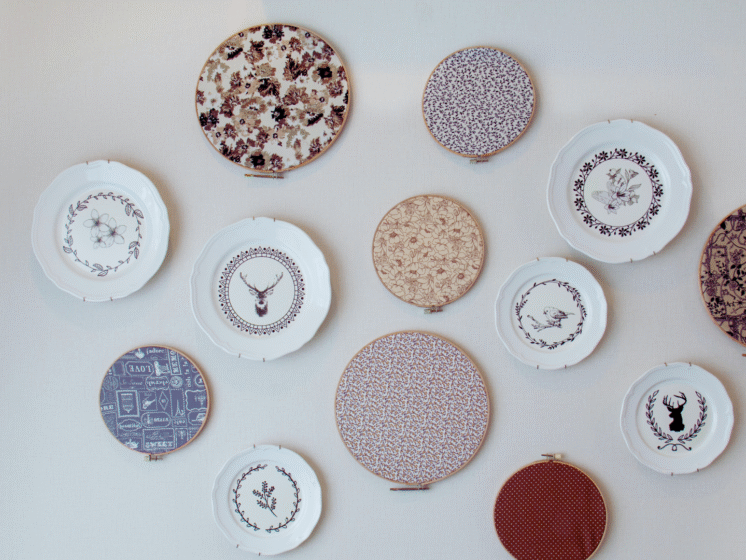
Utilizing fabrics and rugs can transform ordinary textiles into eye-catching wall art. Embroidery hoops can serve as frames for fabric pieces.
By stretching a piece of fabric across the hoop, individuals create a fresh art piece. Mixing patterns and textures can achieve stunning results.
Another idea is to cut sections from old rugs and create unique wall hangings. These can be layered for added dimension, displaying both color and texture effectively.
Tips:
- Choose fabrics that complement existing room colors.
- Use different sizes of hoops for variety.
Incorporating Baskets and Plates
Baskets and plates add a three-dimensional element to wall art. This approach creates visual interest through varying shapes and materials.
Baskets can be hung in groups to form intricate designs. When arranged thoughtfully, they can create a harmonious look.
Decorative plates can serve as centerpieces in a gallery wall. Using plates of different sizes and patterns adds diversity. For a cohesive look, a color scheme can be established.
It’s advisable to use plate hangers or adhesive strips for secure mounting. Mix textures and colors to create a lively and inviting space.
Designing and Showcasing Your Wall Art
Creating a visually striking display requires thoughtful arrangements and complementary elements. Focusing on how to effectively arrange artworks and incorporate natural accents enhances the overall aesthetic of any room.
Gallery Wall Arrangements
Gallery walls can transform blank spaces into stunning focal points. Begin by selecting a mix of art types such as vintage botanical art, homemade wall art, and various frame styles. A well-planned arrangement often uses the 7-9 rule for optimal balance, creating a cohesive look.
When arranging, consider layout options like grids or asymmetrical designs. Lay out the pieces on the floor first to visualize the arrangement. Aim for even spacing to allow each artwork to stand out, enhancing visual appeal without overcrowding.
Styling With Greenery and Decorative Accents
Integrating greenery adds warmth and vibrancy to wall art displays. Planters with trailing plants can soften hard lines and introduce a natural element. Eucalyptus, pothos, or small succulents work well to elevate the look.
Incorporate decorative accents like wreaths or sculptural objects to create layers. This approach introduces texture and depth, drawing attention to both the art and the surrounding elements. Ensure accents align with the color palette of the artwork for a unified appearance.
Perfecting Bedroom and Living Space Displays
In bedrooms, wall art should evoke a calming atmosphere. Choosing pieces that reflect personal style, such as serene landscapes or abstract designs, can enhance relaxation. Positioning artwork at eye level creates a direct connection with the viewer.
Living spaces benefit from a bolder approach. Opt for larger pieces or a dynamic gallery wall to create impact. Balance the display with functional items like bookshelves or lighting fixtures to maintain harmony within the space. Effective use of art can significantly enhance both comfort and style in any area.
