Best Home Decor Trends for This Year: Expert Insights and Design Tips
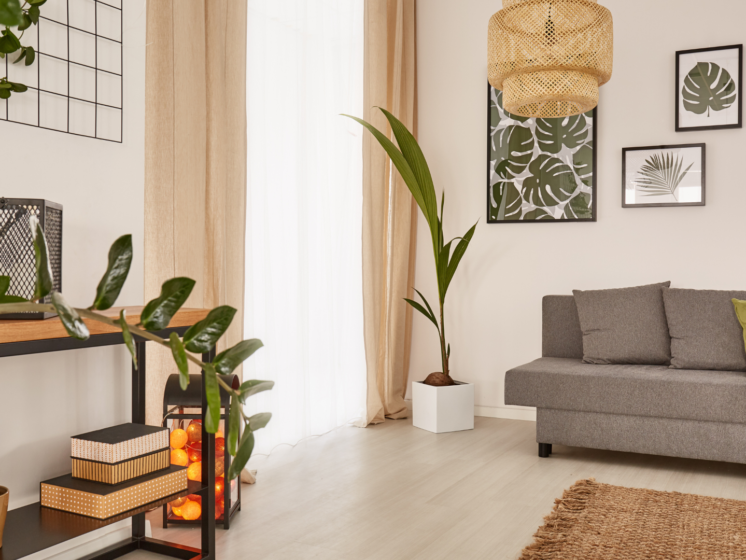
Home decor trends in 2025 focus on a balance between sustainability and modern aesthetics. Natural materials, muted color palettes, and multifunctional furniture are shaping the way people design their living spaces. The best home decor trends this year combine eco-friendly choices with sleek, practical designs to create comfortable and stylish environments.
Minimalism continues to influence interior design, but with added warmth through textured fabrics and artisanal details. Smart home technology is also integrated seamlessly into decor, enhancing both convenience and style. These trends reflect a growing desire for homes that are both beautiful and functional.
Understanding these trends helps homeowners make informed choices that reflect current styles while supporting long-term comfort and sustainability. This article breaks down the top looks and ideas shaping homes in 2025.
Overview of Current Home Decor Trends
This year’s home decor reflects a blend of cultural shifts, environmental awareness, and a desire for comfort. The choices in design, color, and materials are influenced by these priorities, creating spaces that are both stylish and practical.
Key Influences Shaping This Year’s Designs
Design trends this year are heavily influenced by a return to nature and simplicity. Minimalist lines paired with organic shapes dominate spaces, emphasizing calmness and balance. There is a clear shift towards multifunctional furniture to accommodate smaller living spaces and remote work setups.
Technology integration also plays a role, with smart home features seamlessly incorporated into décor without disrupting aesthetics. Personalization remains important, with people favoring pieces that tell a story or have artisanal qualities over mass-produced items.
Popular Color Palettes
Neutral tones continue to lead palettes, but with warmer undertones like soft terracotta, muted ochre, and gentle olive greens. These colors are chosen for their ability to create cozy and inviting atmospheres.
Accent colors include deep blues and forest greens, often used sparingly to add contrast or highlight architectural features. Pastel shades are appearing in textiles and accessories to introduce subtle brightness without overwhelming a room.
| Color Type | Examples | Use Cases |
| Warm Neutrals | Terracotta, Ochre, Beige | Walls, upholstery, rugs |
| Deep Accents | Navy, Forest Green | Throws, cushions, art |
| Pastels | Blush Pink, Soft Blue | Accessories, ceramics, lighting |
Sustainable Material Choices
Sustainability strongly influences material selection this year. Bamboo, cork, and reclaimed wood are favored for furniture and flooring because of their renewable qualities and aesthetic appeal. These materials also tend to age well, adding character over time.
Recycled fabrics and organic cotton are popular in upholstery and soft furnishings. Consumers prioritize durability and natural dyes to reduce environmental impact. Additionally, low-VOC paints and finishes support healthier indoor air quality. Many brands emphasize transparency about sourcing and production methods as a buying factor.
Modern Minimalism in Home Decorating
Modern minimalism emphasizes clean lines, functional spaces, and intentional use of color and materials. It balances simplicity with comfort, focusing on quality over quantity and optimizing natural elements within the home.
Essential Features of Minimalist Design
Minimalist design relies on a limited color palette, typically neutral tones like white, gray, and beige. These colors create a calm atmosphere and serve as a backdrop for intentional decor choices. Furniture features sleek forms without excessive ornamentation. Materials such as wood, metal, and glass are common for their texture and durability.
Clutter avoidance is crucial. Storage solutions are integrated into the design to maintain open surfaces. Accessories are few but impactful, such as a single piece of art or a unique light fixture. Every item has a purpose, contributing to the room’s functionality and visual harmony.
Maximizing Space and Light
Maximizing natural light is a key tactic in minimalist spaces. Large windows, sheer curtains, and reflective surfaces help to enhance light flow. Artificial lighting includes recessed or track lighting to keep the ceiling clean and unobstructed.
Open floor plans support flexibility and ease of movement. Multipurpose furniture, like fold-away tables and built-in shelving, helps reduce furniture bulk. Clear pathways and minimal partitions also prevent visual barriers, making the home feel larger and more inviting.
Biophilic Design and Natural Elements
Integrating elements from nature helps create a calming, balanced atmosphere indoors. Key approaches include introducing greenery that improves air quality and using organic materials that add texture and warmth.
Incorporating Indoor Plants
Indoor plants remain a central feature for biophilic design in 2025. Popular choices include snake plants, pothos, and fiddle leaf figs due to their air-purifying properties and low maintenance needs. Placement matters: grouping plants by size or type near windows enhances natural light use and visual appeal.
Using vertical gardens or hanging planters maximizes space while adding depth. Consider self-watering pots or smart planters to maintain plant health with minimal effort. Mixing plants with varying leaf shapes and colors also supports a dynamic, natural look.
Natural Textures and Finishes
Natural textures like wood, stone, and clay add tactile and visual interest to interiors. Reclaimed wood furniture and raw-edge tables are trending for their authentic, sustainable quality.
Textiles such as linen, jute, and wool provide warmth and contrast against smoother surfaces. Matte finishes on pottery and ceramic accessories highlight craftsmanship while avoiding glare, complementing other natural elements to form a cohesive design.
Bold Patterns and Statement Pieces
Bold patterns and standout items create a strong visual impact in any room. They add personality through texture, shape, and color, setting the tone without overwhelming the space.
Accent Walls and Wallpapers
Accent walls are gaining traction with intricate wallpapers. Geometric prints, botanical designs, and textured wallpapers bring dimension. Choosing a single wall minimizes visual clutter while making an immediate impact.
Popular wallpaper materials include vinyl for durability and grasscloth for texture. Color contrast plays a critical role: dark, rich tones paired with lighter furniture make the pattern pop. Accent walls work well behind beds, sofas, or in entryways.
DIY options like peel-and-stick wallpaper offer easy updates and removal, ideal for renters. Proper lighting enhances these walls, highlighting their details without glare.
Unique Furniture Styles
Furniture with bold shapes and eclectic materials defines this trend. Sculptural chairs, angular tables, and unexpected colors create focal points instantly. Materials like resin, mixed metals, and reclaimed wood combine durability with visual interest.
Mid-century modern and art deco influences continue to inspire. Look for pieces with tapered legs, velvet upholstery, or brass accents. These designs balance boldness with functionality.
Arrangement matters. Position statement: Furniture away from busy areas to avoid clutter. Use neutral tones around bold items to keep the space cohesive.
Smart Technology Integration
Smart technology is reshaping how homes function and look. Integrating automation and tech-savvy furniture creates both convenience and style, blending efficiency with modern design.
Home Automation for Decor
Home automation now extends beyond lighting and security to decorative elements. Smart lighting systems adjust color and intensity to match moods or activities, controlled via apps or voice commands. This allows for dynamic ambiance without manual switches.
Motorized window treatments offer scheduled control, improving comfort and energy efficiency. Some systems sync with natural light patterns, automatically opening or closing blinds throughout the day.
Decor-related devices like digital art frames display changing artworks or family photos, customizable from a smartphone. Integrating these features keeps decor fresh and personalized with minimal effort.
Tech-Friendly Furniture
Furniture now incorporates technology to enhance functionality and connectivity. Desks with built-in wireless chargers and USB ports enable device use without clutter.
Seating options include ergonomic designs with embedded speakers or heating elements for comfort and entertainment. Tables with smart storage help manage cables and accessories efficiently.
Materials focus on durability and compatibility with tech, often using sleek metals and tempered glass to complement electronic components. This fusion maintains aesthetic appeal while supporting modern digital lifestyles.
Vintage and Retro Influences
Incorporating vintage and retro elements adds character and depth to home decor. This approach often combines sustainability with nostalgic design, offering distinct pieces that tell a story or create an atmosphere.
Repurposed and Upcycled Decor
Repurposing vintage items reduces waste and introduces unique charm. Commonly upcycled pieces include wooden crates turned into shelves, old doors reused as headboards, and vintage suitcases transformed into coffee tables. These items bring history and texture to any room.
Materials like reclaimed wood, metal, and fabric are popular in upcycled decor. They offer durability and an authentic look that mass-produced furniture often lacks. Upcycling promotes creativity by encouraging custom, one-of-a-kind designs.
Blending Eras in Interior Design
Mixing styles from different decades creates a dynamic and personalized space. Combining mid-century modern furniture with 70s-inspired patterns or 50s retro appliances enhances visual interest without clutter.
The key to successful blending is balance. Use bold vintage pieces to anchor a room, then soften with modern accents. This avoids overwhelming the design and keeps it fresh and cohesive. Color coordination also helps integrate diverse elements smoothly.
Personalization and Custom Decor
Personal touches in home decor enhance the sense of belonging and create a unique atmosphere. Making intentional choices reflects individual style and personal stories.
Customized Artwork
Custom artwork allows homeowners to showcase personal taste through unique pieces. Commissioned paintings, prints, or digital art based on personal photos or themes add distinct character to any room.
Selecting artwork that aligns with the room’s color palette or emotional tone strengthens cohesion. For example, a family portrait in a neutral frame complements modern minimalist spaces.
Many artists and online platforms offer bespoke art options, including hand-painted canvases and printed designs tailored to size and style preferences. This ensures the piece fits perfectly with existing decor, making the space feel intentional and curated.
Personal Collections as Decor
Displaying personal collections blends functionality with storytelling. Items like vintage cameras, travel souvenirs, or rare books contribute to decor while highlighting individual interests.
Organizing collections in dedicated shelves or shadow boxes provides structure and keeps spaces visually balanced. Grouping similar items by color or theme avoids clutter.
Using these objects as focal points encourages guests to engage with the home’s history and personality. It turns everyday spaces into visually interesting displays with emotional resonance.
Room-Specific Trends
This year, home decor is focusing on practical yet stylish elements tailored to each room’s function. Bold textures, sustainable materials, and smart design choices define the updates.
Living Room Updates
In living rooms, textured fabrics like boucle and velvet add depth while maintaining comfort. Earth tones paired with bold accent colors—such as emerald green or burnt orange—bring a sophisticated yet cozy atmosphere.
Modular furniture with clean lines supports flexible arrangements for gatherings or quiet nights. Incorporating natural elements like rattan chairs or wooden coffee tables complements biophilic design trends. Lighting is key: layered light sources, including floor lamps with warm LED bulbs, increase ambiance and functionality.
Bedroom Decor Innovations
Bedrooms prioritize calming color schemes—muted blues, soft grays, and warm neutrals dominate. Minimalist furniture and smart storage solutions create clutter-free, serene spaces.
Bedding trends focus on natural fibers like linen and organic cotton for breathability and durability. Statement headboards, often upholstered or wood-paneled, serve as focal points without overwhelming the space.
Adding smart technology like adjustable lighting or climate control enhances comfort and supports better sleep hygiene.
Kitchen and Dining Space Ideas
Kitchens combine aesthetics with utility by embracing matte finishes on cabinets and mixed metal hardware. Open shelving offers accessibility and a chance to display curated dishware or plants.
Dining areas favor round tables to encourage conversation and maximize space efficiency. Sustainable materials such as bamboo cutting boards or recycled glass pendant lights reflect eco-conscious consumer preferences.
Key trends include integrating smart storage systems and energy-efficient appliances to make everyday tasks easier and more environmentally friendly.
Decorative Accessories
Choosing the right decorative accessories can transform a space by adding personality and balance. Focus on lighting, textiles, and wall décor to create interest and enhance comfort.
Trendy Lighting Solutions
Lighting shapes the atmosphere of any room. In 2025, layered lighting with a combination of ambient, task, and accent lights is essential. LED fixtures remain popular due to energy efficiency and design flexibility.
Statement pendants and sculptural floor lamps offer artistic appeal while providing functional light. Warm-tone bulbs create a cozy feel, while adjustable brightness improves usability. Smart lighting systems, controllable via apps or voice, are widely adopted for convenience and customization.
Materials like matte black metal, brass, and frosted glass dominate current designs. These blend well with both minimalist and eclectic styles. Incorporating dimmers and multiple light sources ensures spaces adapt to different needs.
Textiles and Rugs
Textiles play a crucial role in defining comfort and style. This year emphasizes natural fibers like cotton, linen, and jute for breathability and eco-friendliness. Soft, tactile fabrics elevate living spaces without overwhelming them.
Area rugs continue to anchor furniture arrangements, often featuring geometric patterns or subtle earth tones. Layering rugs of different sizes or textures adds depth and interest.
Throw pillows and blankets incorporate mixed materials, like velvet or boucle, combining rough and smooth textures. Color palettes tend toward muted greens, sandy beiges, and warm terracotta to harmonize with natural elements. These choices support both durability and aesthetics in daily use.
Wall Art and Mirrors
Art and mirrors are critical for personalization and light amplification. Gallery walls mixing prints, photography, and small sculptures are trending. Black frames and simple white mats provide cohesiveness.
Mirrors with irregular shapes and thin metal frames offer a modern update from traditional round or rectangular designs. Large mirrors enhance natural light flow and create a perception of space in smaller rooms.
Wall décor focuses on balance and scale. Placing art at eye level and leaving negative space around pieces prevents clutter. Functional wall elements like floating shelves double as display and storage, blending practicality with style.
Sustainable and Eco-Friendly Choices
Choosing home decor that minimizes environmental impact often means focusing on materials and energy use. Selecting products with traceable origins and those designed to reduce electricity consumption can make a measurable difference.
Ethically Sourced Materials
Ethically sourced materials are gathered with attention to environmental preservation and fair labor practices. Popular choices include reclaimed wood, which reuses existing resources and reduces deforestation. Bamboo is another option—it’s fast-growing and biodegradable, making it more sustainable than traditional hardwood.
Textiles made from organic cotton or recycled fibers avoid harmful pesticides and reduce waste. Certifications like Fair Trade, FSC (Forest Stewardship Council), and GOTS (Global Organic Textile Standard) help verify ethical sourcing. When buying, look for these labels to support responsible production.
Energy-Efficient Decor Items
Energy efficiency in decor often comes through lighting and appliances. LED bulbs consume up to 80% less energy than incandescent bulbs and last longer, reducing both electricity bills and waste.
Smart lighting systems offer programmable settings to minimize energy use when rooms are unoccupied. Solar-powered devices, such as outdoor lights or small fans, provide clean energy alternatives without extra wiring.
Choosing decor products with the ENERGY STAR label ensures a verified reduction in energy consumption. This can include everything from lamps to ceiling fans. Prioritizing energy-efficient choices supports sustainability while lowering operational costs.
Tips for Staying Ahead of Home Decor Trends
To keep up with home decor trends, regularly follow design blogs and magazines. These sources often reveal emerging styles and practical ideas before they become widespread.
Attend trade shows or visit design fairs when possible. They provide direct exposure to fresh concepts and new products.
Use social media platforms like Instagram and Pinterest to see what influencers and designers are showcasing. Save or pin inspiring images to curate your personal trend board.
Create a list of key elements to update in your space each season. This avoids overwhelming changes and keeps your decor fresh.
| Item to Refresh | Examples |
| Textiles | Throw pillows, rugs, and curtains |
| Wall Art | Prints, framed photos, mirrors |
| Small Furniture | Accent chairs, side tables |
| Accessories | Vases, lamps, decorative objects |
Invest in classic pieces with neutral tones as a foundation. Layer trendier items on top so you can switch styles without a full overhaul.
Lastly, balance trends with your personal taste. Trends provide inspiration, but your home should reflect comfort and functionality.
