How to Create a Cozy Home Atmosphere with Simple and Effective Tips
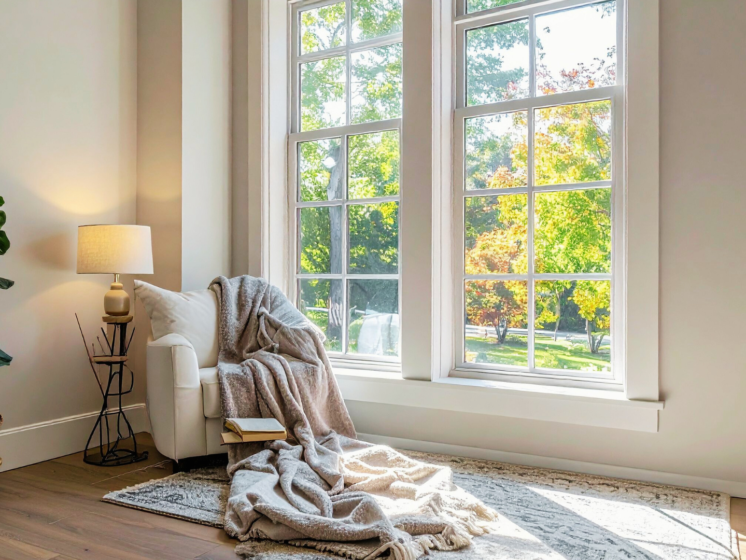
Creating a cozy home atmosphere starts with simple adjustments to your space that enhance comfort and warmth. Using soft lighting, adding textured fabrics, and incorporating personal touches are key to making your home inviting. These elements work together to turn any room into a relaxing retreat.
Choosing natural materials and calming colors helps create a balanced environment that feels both welcoming and restful. Paying attention to small details, like scented candles or a well-placed throw blanket, can also contribute significantly to the overall coziness.
Foundations of a Cozy Home
Creating a cozy home starts with understanding what coziness means and recognizing its key benefits. Attention to specific physical and emotional elements builds a space that feels comfortable and inviting. Common features of coziness shape every room’s atmosphere, making it a place people want to spend time in.
Defining What Cozy Means
Cozy describes a space that feels warm, secure, and comfortable. It’s not just about temperature but the overall ambiance. Elements like soft lighting, comfortable furniture, and uncluttered spaces contribute to this feeling.
Cozy can vary by person. For some, it means blankets and pillows; for others, it includes natural materials and warm colors. The key is creating an environment that promotes relaxation and a sense of belonging.
Benefits of a Comfortable Home Environment
A comfortable home reduces stress and supports mental health. Physical comfort enables rest and recovery after daily activities. The environment also affects sleep quality and energy levels.
Socially, a cozy home encourages connection. Visitors feel welcomed, and residents find it easier to unwind. These factors improve overall well-being and satisfaction with living space.
Common Elements of Coziness
Cozy homes often share these characteristics:
- Soft textures: rugs, cushions, throws
- Warm lighting: lamps, candles, natural light
- Personal touches: photos, art, meaningful objects
- Natural materials: wood, wool, cotton
- Organized spaces: tidy and uncluttered rooms
Adjusting these elements to personal preference creates a unique atmosphere that feels both practical and comfortable.
Choosing Warm and Inviting Color Schemes
Selecting the right colors shapes the feeling of comfort in any room. Understanding specific hues, strategic accents, and lighting impacts allows for a carefully crafted, cozy environment without overwhelming the senses.
Best Colors to Enhance Warmth
Warm colors like soft beige, terra cotta, and warm taupe create a foundation of comfort. These tones absorb and reflect light in ways that make rooms feel intimate without shrinking the space.
Earthy reds and burnt oranges evoke natural warmth, ideal for living spaces and bedrooms where relaxation is key. Muted yellows and amber hues add subtle brightness while maintaining a calm, inviting atmosphere.
Avoid colors that are too bright or cool, like neon shades or icy blues, as they can disrupt warmth. Stick to colors with warm undertones that enhance feelings of safety and calmness.
Accent Walls and Color Pairings
Accent walls can highlight warmth by incorporating richer hues such as deep rust, chocolate brown, or olive green. These colors add depth and create a focal point in a room without overwhelming the entire space.
Pair lighter neutral tones with these dark accents to balance the look. For example:
| Base Color | Accent Color |
| Cream | Burnt Orange |
| Soft Gray | Deep Burgundy |
| Light Taupe | Forest Green |
Use accents on one wall behind a key piece of furniture or in smaller spaces like entryways. This method is subtle but impactful in building warmth.
How Lighting Affects Paint Selection
Natural and artificial lighting significantly change how paint colors appear throughout the day. South-facing rooms receive warm natural light, enriching warm paint colors and making them more vibrant.
North-facing rooms benefit from warmer paint tones to counteract cooler, bluish natural light. In spaces with limited natural light, warmer lamps or bulbs with a color temperature of 2700K to 3000K enhance the cozy effect.
Test paint samples on walls at different times before finalizing to see how lighting alters hues. This step prevents misjudging a color’s warmth or coolness once applied.
Incorporating Layered Lighting
Layered lighting combines multiple light sources to create a balanced and inviting environment. It blends different types of lighting to support various activities while enhancing comfort and style.
Ambient Lighting Techniques
Ambient lighting provides the general illumination of a room. Ceiling-mounted fixtures, such as flush mounts or recessed lights, evenly distribute light across the space.
Dimmers are essential to control brightness levels and adjust the mood as needed. Soft, warm-colored bulbs (2700K to 3000K) contribute to a cozy atmosphere.
Consider indirect lighting options like wall sconces or cove lighting to reduce harsh shadows and add depth. These techniques improve visual comfort without overwhelming the space.
Task Lighting for Comfort and Function
Task lighting targets specific areas where focused light is necessary for activities like reading, cooking, or working. Desk lamps with adjustable arms or under-cabinet kitchen lights improve visibility and reduce eye strain.
Choose fixtures with focused beams and appropriate brightness (measured in lumens) to match the task. For reading, aim for 450-800 lumens and a color temperature around 3000K.
Position lights to avoid glare or casting shadows on work surfaces. Proper task lighting enhances efficiency and adds to the room’s usability while maintaining the overall cozy vibe.
Using Accent Lighting for Atmosphere
Accent lighting highlights architectural features, artwork, or decorative elements, contributing to the room’s visual interest. Track lights, spotlights, and LED strips are effective tools.
Use accent lights with lower brightness than ambient lighting to create subtle contrasts. Adjustable fixtures help focus light precisely where it’s needed without overpowering the room.
Combine accent lights with warm tones to foster a welcoming atmosphere. Strategically placed accent lighting creates focal points and layers of light that enhance the room’s texture and character.
Selecting Comfortable Furniture
Comfortable furniture forms the foundation of a cozy home. Focus on pieces that invite relaxation, use soft and tactile materials, and support natural body posture to maintain comfort over long periods.
Sofas and Chairs for Relaxation
Choose sofas and chairs with ample cushioning and support. Look for high-density foam or down-filled cushions that retain shape but offer softness. A slightly reclined backrest and wide armrests improve comfort for lounging.
Size matters—opt for furniture that fits the room without crowding but still allows extended sitting or napping. Sectionals or armchairs with ottomans can provide flexible seating and leg support.
Durable upholstery like microfiber, velvet, or tightly woven cotton balances comfort and wear resistance. Avoid materials that feel cold or stiff, such as untreated leather without padding, as they reduce the inviting feel.
Choosing Soft Textiles
Layer your furniture with soft textiles like plush throws, cushions, and slipcovers. Natural fibers such as wool, cotton, or linen provide breathability and a gentle texture against the skin.
Vary fabric textures to create visual interest and tactile comfort. For example, pair a smooth cotton cushion with a chunky knit throw. Keep colors neutral or warm to enhance the cozy atmosphere.
Washability is important; select removable covers and washable fabrics where possible. This helps maintain freshness without compromising comfort. Avoid rough or synthetic fabrics that can irritate skin or trap heat.
Ergonomics for a Cozy Living Space
Furniture should support the body properly to prevent discomfort. Seat height should allow feet to rest flat on the floor, generally 16-18 inches from the ground. Armrests should position the elbows at 90 degrees.
Use lumbar support cushions or chairs with built-in lower back support to reduce strain during long sitting periods. Adjustable furniture can enhance comfort by accommodating individual needs.
Consider flow and placement so furniture encourages natural movement and easy access to seating. Avoid overcrowding; enough space drafts an open yet inviting environment where people can sit comfortably without feeling confined.
Adding Textiles and Soft Furnishings
Textiles and soft furnishings significantly affect the comfort and style of a home. Choosing the right materials and layering them thoughtfully enhances warmth, texture, and visual interest. Selecting durable and seasonally appropriate textiles can also improve a room’s functionality.
Layering Rugs and Carpets
Layering rugs creates depth and defines different areas within a space. Start with a larger, neutral base rug and add smaller, patterned or textured rugs on top for contrast. Materials like wool provide warmth and durability, while natural fibers such as jute add a rustic feel.
Ensure rugs are secured to prevent slipping, especially in high-traffic zones. Combining different pile heights enhances tactile interest without overwhelming the space. Measure the area beforehand to avoid clutter or imbalance.
Using Throws and Pillows
Throws and pillows introduce softness and color to seating areas. Opt for fabrics like cotton, fleece, or knitted wool for warmth and easy care. Use a mix of sizes and shapes to create a visually appealing arrangement.
A color palette that complements the room’s existing tones ensures cohesion. Change covers seasonally to refresh the look. Layering textures—such as leather pillows with fluffy throws—adds dimension without complicating the decor.
Curtains and Window Treatments
Curtains soften natural light and improve insulation, contributing to coziness. Choose heavier fabrics like velvet or lined cotton for the winter months to retain heat. Lightweight linens allow light diffusion while maintaining privacy.
Proper length and width are crucial; curtains should hang just above the floor and extend beyond the window frame for fullness. Use rods with adjustable brackets for flexibility. Adding tiebacks lets you control light and air flow easily while enhancing elegance.
Personal Touches and Decor
Creating a warm home involves selecting meaningful objects that speak to your personality and style. Thoughtful arrangements transform spaces into inviting areas where memories, interests, and creativity are visible and accessible.
Incorporating Personal Mementos
Personal mementos like photos, souvenirs, and handmade gifts connect your living space to your experiences and relationships. Choose frames that complement the room’s color palette, or create a gallery wall combining snapshots with meaningful keepsakes like ticket stubs or postcards.
Display items in clusters for visual interest, mixing sizes and textures rather than lining up objects uniformly. Use shelves, shadow boxes, or vintage trays to keep mementos organized but spotlighted. These carefully curated items add depth and a sense of history to your home.
Artwork and Decorative Displays
Artwork reflects your aesthetic preferences and can set the mood of a room. Opt for pieces that resonate emotionally or align with your style, whether it’s prints, paintings, or sculptures. Rotate art seasonally or as your tastes evolve to keep the environment dynamic.
Pair artwork with complementary decor like plants or sculptures to create cohesive displays. Consider lighting options, such as picture lights or spotlights, to highlight focal pieces. Maintaining balance between size and placement avoids overcrowding walls or surfaces.
Display of Books and Collections
Bookshelves and display cases showcase personal interests and add texture to a room. Arrange books by color, size, or theme to enhance visual appeal rather than stacking randomly. Leave space for decorative objects, like vases or framed photos, interspersed among the books to prevent clutter.
For collections, such as ceramics or figurines, group items by type or color to create a unified statement. Use tiered shelving or risers for varied height and dimension. Well-organized displays invite curiosity and make browsing enjoyable for residents and guests alike.
Natural Elements and Indoor Plants
Incorporating plants and natural materials transforms a space by improving air quality, adding texture, and bringing life into the room. Choosing the right plants and decor pieces helps create a balanced, inviting environment that feels connected to nature.
Benefits of Greenery Indoors
Indoor plants can enhance air quality by filtering toxins like formaldehyde and benzene. They increase humidity, which helps prevent dry skin and respiratory issues.
Plants also reduce noise levels by absorbing sound, creating a quieter environment. Visually, greenery adds color and softness to hard lines, making the space feel more relaxed and welcoming.
Psychologically, plants reduce stress and improve mood. They encourage mindfulness and can boost productivity, making them ideal for living rooms and workspaces alike.
Best Plants for Cozy Spaces
Choose low-maintenance plants such as snake plants, pothos, and ZZ plants. These tolerate low light and irregular watering, making them practical for busy owners.
For added texture, consider ferns or spider plants that have delicate, feathery foliage. Succulents and cacti provide a minimalist, modern touch with their sculptural shapes.
In terms of placement, put taller plants like fiddle leaf figs in corners. Smaller ones like peace lilies work well on shelves or tables. Match plants to available light and care routines for best results.
Natural Materials in Decor
Use raw wood furniture or accents to bring warmth and an organic feel. Opt for materials like rattan, wicker, or bamboo in chairs, baskets, and light fixtures for visual interest and texture.
Wool throws and cotton cushions provide softness and comfort. Stone or ceramic planters add a tactile quality and contrast well with greenery.
Mixing these elements creates layers that invite touch and visually break up the space without overwhelming it. Natural fibers and surfaces contribute to a calm, grounded atmosphere.
Scent and Sound for Mood Enhancement
Using scent and sound effectively can transform a space’s atmosphere by influencing emotions and creating relaxation. Selecting the right aromas and background noises plays a crucial role in building a welcoming environment.
Aromatherapy and Natural Scents
Essential oils like lavender, eucalyptus, and chamomile are key for promoting calm and reducing stress. Diffusers or scented candles disperse these oils evenly, ensuring a subtle but consistent fragrance.
Natural sources such as fresh herbs or wood also add warmth without overwhelming a space. Avoid synthetic fragrances that can cause irritation or discomfort.
Rotating scents seasonally can refresh the home’s atmosphere. For example, citrus in summer and cinnamon in winter align with nature’s rhythms and enhance comfort.
Background Music and Ambient Sounds
Soft instrumentals, nature sounds, or low-volume classical music support focus and relaxation. Avoid sudden loud noises or complex rhythms that may disrupt calmness.
Playlists focusing on steady, slow beats around 60-80 BPM help maintain a steady mood. Streaming platforms offer curated options specifically designed for concentration or sleep.
Using a timer or smart speaker, automation can control when music plays, maintaining consistency without manual effort.
Managing Acoustics for Calm
Soft furnishings like curtains, rugs, and cushions absorb excess noise, preventing echoes and harsh sounds. This creates a quieter, more intimate environment.
Consider adding sound panels or heavy drapes in high-traffic areas or rooms with hard floors. Proper placement reduces background noise from outside or adjoining rooms.
White noise machines can mask sudden ambient sounds, improving sleep quality and minimizing distractions. Selecting devices with adjustable volume and sound options provides flexibility.
Organizing for Comfort and Warmth
A home that feels cozy often starts with how it’s arranged. Thoughtful organization improves both aesthetics and comfort, making spaces feel inviting and easy to live in.
Decluttering Key Living Areas
Focus first on the rooms you use most, like the living room and bedroom. Remove items that don’t serve a clear purpose or bring joy. Keep surfaces clean and limit décor to a few meaningful pieces.
Regularly sorting through magazines, electronics, and miscellaneous items can prevent clutter buildup. Use a donation box for things you no longer need. This clears physical and mental space.
A decluttered area promotes relaxation by reducing distractions. Natural light and open spaces contribute to warmth and comfort. Prioritize items that foster a sense of calm.
Storage Solutions that Blend with Decor
Select storage options that match your home’s style to maintain visual harmony. Closed cabinets or baskets in neutral tones help hide clutter without drawing attention.
Multi-functional furniture, like ottomans with internal storage or side tables with drawers, saves space and keeps necessities within reach. Choose materials like wood or fabric to add texture.
Labels inside containers can improve organization without affecting appearance. Keep frequently used items accessible and store seasonal or less-used belongings out of sight. This balances neatness and usefulness.
Creating Clutter-Free Zones
Designate specific areas for items like keys, mail, and shoes to prevent random piles. Entryways often benefit from a small bench with hooks or cubbies to encourage daily tidiness.
Establish surface-free zones, especially in dining or work areas, to enhance focus and relaxation. Use trays or shallow boxes to collect loose items temporarily.
Routine habits, such as a five-minute nightly clean-up, keep these zones intact. Consistency in maintenance helps sustain a warm, comfortable environment free from disorder.
Creating Cozy Spaces Year-Round
Adjusting your space throughout the year helps maintain comfort and warmth no matter the season. This involves mindful changes to color schemes, materials, and lighting to suit weather and daylight variations.
Seasonal Adjustments to Decor
Switching out decor based on the season keeps your home feeling fresh and balanced. Use warm tones like burnt orange, deep reds, and browns during fall and winter. In spring and summer, introduce lighter, cooler colors such as soft greens, blues, and whites to brighten rooms.
Incorporate natural elements aligned with each season: pine cones and dried leaves for colder months; fresh flowers or seashells during warmer periods. Swap heavy curtains for lighter fabrics when temperatures rise. This creates a visual and physical shift that matches the environment outside.
Transitioning Textiles by Season
Textiles have a significant impact on coziness. Use thick, plush materials like wool and fleece in colder months to add insulation and softness. Layer blankets and pillows with rich textures to create inviting spots.
During warmer seasons, switch to breathable fabrics like cotton or linen. These materials regulate temperature effectively and prevent overheating in your space. Consider lighter throws and removable cushion covers to keep your home feeling fresh and easy to maintain.
Adapting Lighting for Different Seasons
Lighting affects mood and warmth perception throughout the year. In fall and winter, maximize the use of warm, soft lighting. Use amber or warm-white bulbs and consider layered lighting with floor lamps and candles to reduce harshness.
Longer daylight hours in spring and summer allow for cooler, brighter light. Open window treatments fully and use daylight-mimicking LED bulbs where needed. Dimmers can help adjust artificial light to match changing natural light, maintaining comfort at all hours.
