Should You Flip or Rent After Renovating? Weighing Your Options for Maximum Profit
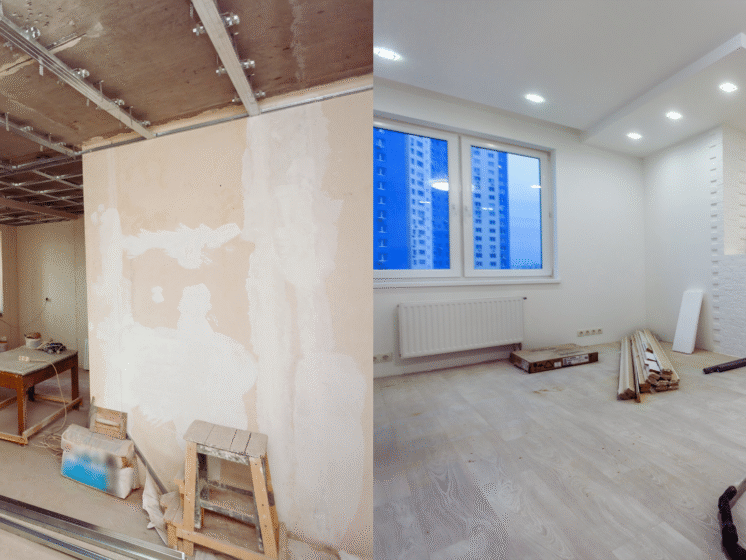
Deciding whether to flip or rent a property after renovating can be a pivotal choice for real estate investors. The ideal option depends on various factors, including market conditions, financial goals, and the property’s location. For some, flipping can yield quicker profits, while others may find consistent rental income to be more beneficial over time.
When weighing the options, it’s crucial to analyze not only the upfront costs involved but also the long-term implications of each strategy. Recent trends may favor one approach over the other, influenced by economic indicators and local demand. By understanding the benefits and challenges of both flipping and renting, investors can make informed decisions that align with their objectives.
Understanding the nuances of each approach can lead to better outcomes. Investors who carefully assess their circumstances are more likely to maximize their returns on investment, whether they choose to flip for a profit or build a rental portfolio.
Factors to Consider Before Deciding to Flip or Rent
Deciding whether to flip or rent a property after renovations hinges on several critical factors. Investors must weigh their financial goals, market conditions, and renovation costs to make an informed decision.
Understanding Your Financial Goals
They should clarify their financial objectives before moving forward. If the goal is quick capital gain, flipping may align better. This approach usually involves selling the property shortly after renovations.
Moreover, to maximize those gains, it is important to ensure that renovation tasks are carried out to a high standard. For instance, hiring an experienced roofer in South Carolina (or elsewhere) for proper repairs or replacements can boost property value, reduce future maintenance costs, and make the home more appealing to potential buyers.
Alternatively, if steady income resonates more, renting presents an intriguing option. Rental properties might offer consistent monthly cash flow, fostering long-term wealth via gradual appreciation.
Ultimately, it’s essential to develop a clear financial plan, incorporating potential profits from flipping against long-term income from rentals. A solid understanding of personal financial goals influences which choice is ultimately more viable.
Assessing Market Conditions
Current real estate market trends greatly affect this decision. Key indicators include property demand, local rental rates, and overall economic conditions.
In a robust market with rising home values, flipping could yield significant profits. Conversely, a stagnant or declining market might favor renting, as individuals may prefer maintaining cash flow rather than facing potential losses from a lower selling price.
Investors should conduct thorough market research. They could analyze comparable property sales, evaluate rental demand, and stay informed on economic developments to assess market conditions accurately.
Analyzing Renovation Costs and Returns
Understanding the costs associated with renovations is crucial. Investors must evaluate what improvements will yield the best return on investment (ROI). Not all renovations guarantee profits.
For instance, kitchen and bathroom upgrades typically provide a higher ROI than basic cosmetic improvements. They should estimate renovation expenses and project the potential increase in property value.
Additionally, understanding carrying costs, like property taxes and insurance, during renovations is essential. These costs can erode profits from flipping or cash flow from rentals. A detailed analysis helps investors anticipate possible returns in both scenarios.
Benefits and Challenges of Flipping After Renovation
Flipping properties after renovation can offer significant rewards, along with various challenges. Understanding these factors is crucial for making informed decisions in real estate investment.
Potential for Immediate Profit
Flipping can lead to substantial profits, primarily driven by increased property value post-renovation. When renovations enhance a property’s appeal, the potential for value appreciation becomes evident.
In particular, investors typically focus on properties located in high-demand neighborhoods where supply does not meet demand. For example, a well-renovated home in a rapidly growing area can attract multiple competitive offers, significantly boosting the final selling price.
However, it is vital for investors to carefully consider all renovation costs, including labor and materials, before proceeding. Therefore, conducting thorough market research is essential to accurately estimate the expected return on investment (ROI). This careful evaluation ensures that the anticipated profit outweighs the renovation expenses.
Furthermore, to maximize profit potential, renovations must be executed with high-quality workmanship. Superior improvements not only enhance the home’s aesthetic appeal but also build buyer confidence in the property’s long-term durability.
When considering materials that offer both aesthetic appeal and robust durability, flooring choices play a significant role. Modern options like vinyl flooring have become increasingly popular for their ability to mimic natural wood or stone while offering superior water resistance and ease of maintenance. For investors in Singapore looking to enhance property value efficiently, selecting high-quality vinyl flooring Singapore can be a strategic move. Its quick installation process also helps minimize renovation timelines, directly impacting holding costs and accelerating time to market.
Another option when renovating key spaces like bathrooms, which strongly influence buyer decisions, collaborating with experienced professionals from reputable bathroom remodeling companies often guarantees work that meets industry standards and adds meaningful value to the property.
Market Timing and Risks
Market timing plays a crucial role in the success of flipping. A favorable real estate market typically allows for quicker sales and higher returns. Seasonality can influence buyer behavior, with spring often being more active than winter.
Conversely, a downturn in the market can lead to extended holding periods or reduced sale prices. Investors may face risks associated with economic changes and local real estate trends.
Additionally, unexpected issues during renovations can escalate costs and timelines. Investors should have contingency plans and a realistic budget to mitigate these risks. Staying informed about market fluctuations enables better decision-making regarding when to sell or hold properties.
Benefits and Challenges of Renting After Renovation
Renting a property after renovations can offer various financial advantages alongside certain challenges that property owners must consider. This approach can provide steady income and opportunities for building long-term wealth, though it also requires effective management and an understanding of tax implications.
Building Long-Term Wealth Through Rental Income
Renting a renovated property can generate consistent cash flow. Monthly rental income contributes to ongoing revenue, allowing owners to recoup their renovation investments over time. Meanwhile, staying organized with tenant communication and routine upkeep can make the income side of things much smoother. And in some cases, working with professionals offering property management Costa Mesa (or elsewhere) can help owners boost earnings through strong tenant screening, consistent maintenance oversight, and fewer day-to-day headaches.
Pros of Rental Income:
- Cash Flow: Regular monthly rent enhances cash flow.
- Asset Growth: Income can be reinvested to grow the property portfolio.
- Equity Building: As property values increase, equity grows, benefiting the owner.
By maintaining the unit in good condition and ensuring timely rent collection, property owners can secure a reliable income stream.
Property Management Considerations
Effective property management is crucial in maximizing returns from renting. Owners must decide whether to self-manage or hire a property management company.
Self-Management Pros:
- Cost Savings: Avoid management fees by handling the property personally.
- Direct Control: Owners have complete oversight of operations.
Challenges:
- Time-Consuming: Managing tenants and maintenance can be labor-intensive.
- Tenant Relations: Addressing issues may require diplomatic skills.
Hiring a property management service can streamline operations but involves additional costs. It’s essential to weigh these options based on individual circumstances and preferences.
Tax Advantages and Cash Flow Management
Renting a property also presents tax benefits that can enhance overall profitability. Owners may deduct a range of expenses related to the property.
Key Deductions Include:
- Mortgage Interest: Reduces taxable income significantly.
- Depreciation: Long-term deduction that accounts for property wear and tear.
- Repairs and Maintenance: Immediate deductions for necessary upkeep.
Effective cash flow management, along with understanding tax implications, helps in maintaining profitability. Owners should consult with a tax professional to maximize these advantages.
Making the Best Choice for Your Situation
Choosing between flipping or renting after renovating requires careful consideration of individual circumstances. Key factors include potential financial returns and personal risk tolerance. Each decision carries distinct advantages that should be evaluated based on current market conditions and long-term goals.
Weighing Short-Term Versus Long-Term Gains
Flipping a property often generates immediate returns. Investors can capitalize on market conditions to sell for a profit shortly after renovations. This option suits those seeking quick financial rewards from real estate investments.
Renting, on the other hand, provides stable income over time. Rental properties can build equity while offering consistent cash flow. Investors should analyze the local rental market to assess potential returns from leasing.
In determining the best path, consider both immediate and ongoing needs. A short-term flip may benefit those needing quick capital, while renting may align with an investor’s long-term wealth-building strategy.
Evaluating Personal Risk Tolerance
Risk tolerance plays a crucial role in choosing to flip or rent. Flipping entails significant financial risk. Unexpected market shifts or renovation costs can erode profits. Investors comfortable with this uncertainty may find flipping attractive for its high-reward potential.
Renting involves lower risk but requires a long-term commitment. The consistent income from rental properties can provide financial stability. Investors who prioritize steady returns with less volatility may prefer the rental route.
Assessing personal comfort with risk can help narrow down options. Investors should also consider market trends and their current financial position to make an informed decision.
